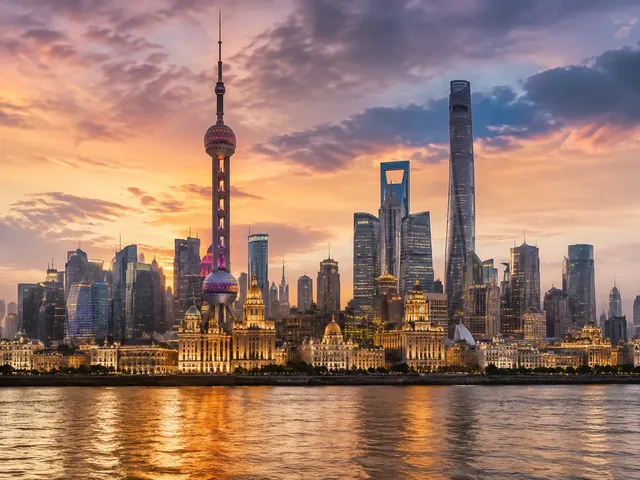
Victoria Peak
The classic skyline view; take the Peak Tram up and walk the circular trail.
South China · Xiānggǎng
Hong Kong is the easiest introduction to China for a nervous first-timer: English signage, an Octopus card that runs the whole city, world-class food, and a skyline that still stops people mid-street. It also works as a standalone trip — hiking, islands, markets, and museums fill a week without a single temple complex.
The verdict
Hong Kong is the best "soft landing" city for nervous first-timers. Three nights, ideally not in summer.
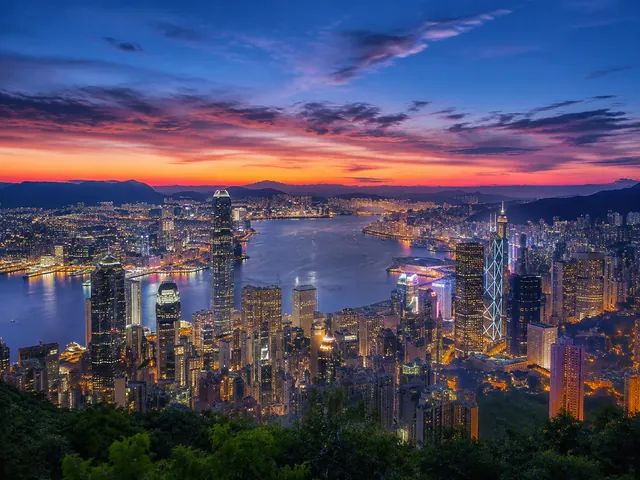
Hong Kong
Victoria Peak and the Star Ferry
Quick facts
Region
South China
Best months
Oct, Nov, Dec, Mar, Apr
Suggested stay
3 days
Daily budget
$85-160
Travel style
modern, food, photography
Top attraction
Victoria Peak and the Star Ferry
Rail access
High-speed rail link to Shenzhen and Guangzhou
Best for
Urban travelers who want skyline views, dim sum, shopping, and island escapes.
Why visit
Hong Kong combines a world-class skyline, deep food culture, easy English, and nearby hiking and islands. It works as both a standalone trip and a softer first step into China.
Best for: Urban travelers who want skyline views, dim sum, shopping, and island escapes.
Skip Hong Kong if: You are on a tight budget or want classic imperial Chinese landmarks rather than a global metropolis.
Season guide
October-December and March-April are the sweet spots: 20-27°C, lower humidity, and the clearest skyline views. Summer (June-September) is hot, humid, and typhoon season — flights can be delayed and hiking is miserable. January-February is dry and cool, the cheapest hotel window. The light show at the harbor runs nightly regardless of season.
Sweet spot
Oct, Nov, Dec, Mar, Apr
Budget
Hong Kong is the most expensive stop in this guide: $85-160 per day, with hotels the main cost ($60-120 for a mid-range room). Food is the bargain — $2-4 for noodles or dim sum carts — and the MTR, Star Ferry, and trams are cheap. The Peak Tram is about $8; most museums are free or under $5.
Mid-range day
$85-160
Suggested stay
3 days
Getting there
Hong Kong International (HKG) has the Airport Express (24 minutes to Central) and is among Asia’s best-connected hubs. By rail, the West Kowloon high-speed station links Shenzhen in about 18 minutes and Guangzhou in about 47 minutes — the natural bridge to mainland itineraries. Inside the city, the MTR plus Octopus card covers everything; the Star Ferry and ding-ding trams are the scenic extras.
Rail links
High-speed rail link to Shenzhen and Guangzhou
Getting around: The MTR and Octopus card cover everything; the Star Ferry and trams are cheap and scenic.
Top attractions
The classic skyline view; take the Peak Tram up and walk the circular trail.
A cheap harbor crossing between Central and Tsim Sha Tsui, best at sunset.
A waterfront promenade with the skyline and a nightly light show.
Street food, fortune tellers, and market stalls after dark.
The Big Buddha and Ngong Ping cable car, plus Disneyland on the same island.
Day by day
Paced so you see the headline sights without rushing. Times are estimates; book big-ticket attractions and entry slots ahead, especially in peak season.
Day 1
Day 1: Victoria Peak, Star Ferry, and the Tsim Sha Tsui waterfront at night.
Day 2
Day 2: Lantau Island for the Big Buddha, or Disneyland for families.
Day 3
Day 3: Mong Kok markets, Temple Street at night, and any shopping before you fly.
Tsim Sha Tsui for first-timers (harbor views), or Central for the food and nightlife.
Dim sum, roast goose, wonton noodles, and egg tarts. Cheap eats are everywhere; Michelin-starred places sit next to street stalls.
Dim sum, roast goose, wonton noodles, egg tarts
Quick answers
The questions travelers ask about Hong Kong most, answered straight.
Most Western passports enter visa-free for 90 days, but check your nationality before booking — the rules differ from mainland China and are separate from it. If you plan to cross into mainland cities like Shenzhen or Guangzhou, you also need a valid China visa, so carry both documents when using the high-speed rail.
Three nights covers the essentials: Victoria Peak and the harbor on day 1, Lantau (Big Buddha) or a hike on day 2, markets and neighborhoods on day 3. Add a fourth for Macau by ferry or a beach day. Families with Disneyland plans should add one more night.
Yes. English appears on all MTR signs, menus, and official materials, and most service staff in tourist areas speak it. Taxi drivers may not, so keep addresses in Chinese characters on your phone. This is what makes Hong Kong the easiest “first step” into China for many travelers.
The cleanest pattern is to fly into Hong Kong, spend 2-3 nights, then take the West Kowloon high-speed rail to Guangzhou (47 minutes) and continue north by train — Guilin and Zhangjiajie are both reachable from Guangzhou’s hub. Alternatively, do Hong Kong last as a relaxed finale after the mainland legs, using Shenzhen’s airport for cheap onward flights.
Keep the route going
Still deciding?
Compare all 15 cities by budget, season, and rail links on the homepage, or take the two-minute city match quiz.